How to Use a Cocktail Shaker: Cobbler, Boston, and the 12-Second Rule
Published
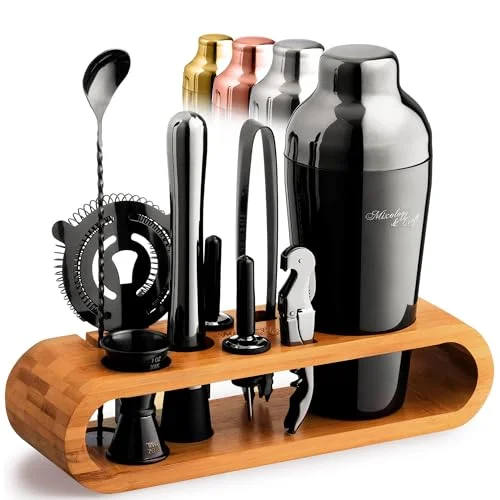
Measure your ingredients into the shaker, fill it two-thirds with cubed ice, seal it, shake hard for 12 to 15 seconds until the outside frosts over, and strain into a chilled glass. That is the entire technique.
Everything else, grip, shaker type, even the fancy Japanese hard shake, matters far less than those five steps done with commitment. And that is not our opinion. Cocktail scientists have measured shaken drinks with thermometers and scales, and the results are refreshingly blunt. Here is the full technique for both major shaker types, what the numbers actually say, and which shaker belongs on your shelf.
How to Use a Cobbler (Three-Piece) Shaker, Step by Step
The cobbler is the shaker with three parts: the big tin, a strainer mid-section, and a small cap. It was patented in the United States back in 1872 and it is still the friendliest place for a home bartender to start, because the strainer is built in.
- Add the ingredients first. Spirits, juice, syrup, all of it, measured with a jigger into the large tin. Ice goes in last so nothing dilutes while you work.
- Fill two-thirds to three-quarters with ice. Whole cubes, not crushed; crushed ice melts too fast and waters the drink down before it gets cold.
- Seal both pieces. Strainer section on, cap pressed firmly on top. Give it a half-twist so the seal sits square.
- Shake hard, 12 to 15 seconds. Two hands, one on each end, over your shoulder, and shake like you mean it. Gentle rocking stirs; shaking is violence. Stop when the tin is frosted and painful to hold.
- Strain immediately. Pop the cap, hold one finger on the strainer lid, and pour through the built-in strainer into a chilled glass.
The classic cobbler problem is a stuck cap: the drink chills, the metal contracts, and a vacuum grips the lid. Smack the cap’s edge with the heel of your hand at a slight angle, or warm the seam under the tap for three seconds. Never twist with pliers; you will dent the seal and the shaker leaks forever after.
A standard 24 oz cobbler like the one in our All-in-One shaker kit shakes two cocktails in one go, which is exactly why the size became standard.
How to Use a Boston Shaker
The Boston is two pieces, a 28 oz tin and a smaller 18 oz tin (or a pint glass), and it is what working bartenders shake with, because it holds more, seals in one motion, and opens in one more.
- Build the drink in the small tin, then fill the large tin two-thirds with ice and pour the drink over it.
- Seal with a slap. Set the small tin into the large one at a slight angle and hit its base once with your palm. The angle matters: a straight-in tin jams, an angled tin seals.
- Shake with the large tin down, pointed away from anyone you like. A sealed Boston will not leak; a badly sealed one announces itself instantly.
- Break the seal. Squeeze the large tin at the point where the two meet and push the small tin sideways with your thumb until you hear the pop.
- Strain with a Hawthorne. The Boston has no built-in strainer; the Hawthorne’s spring coil sits inside the tin’s mouth and holds back ice and pulp.
Our Boston shaker set pairs the tins with a crystal mixing glass, which covers the stirred half of the repertoire too.
Cobbler vs. Boston vs. French: Which One Belongs on Your Shelf?
| Cobbler (3-piece) | Boston (2-piece) | French / Parisian | |
|---|---|---|---|
| Strainer | Built in | Separate Hawthorne | Separate |
| Seal | By design | Slap to seal, pop to open | Friction, very tight |
| Capacity | ~24 oz, 1 to 2 drinks | ~28 oz, 2 to 3 drinks | in between |
| Learning curve | Easiest | One evening of practice | Between the two |
| Where it shines | Home bars | Working bars, batches | Looks, minimalists |
The honest summary: bartenders run Bostons for speed and volume, home bartenders keep cobblers for the built-in strainer, and the French shaker is the elegant middle child that some people love and some never make peace with. The right answer for a first kit is the cobbler; the right answer for someone shaking for a crowd every weekend is the Boston. We build kits around both.
What Shaking Actually Does (the Measured Version)
Three things happen inside the tin: the drink chills, it dilutes, and it aerates. The interesting part is how fast and how fixed the outcome is.
- A shaken cocktail reaches about -5 to -8°C (18 to 23°F) in roughly 12 seconds, and then hits equilibrium: shaking longer barely moves the number.
- Technique and ice shape change the result far less than folklore claims. Measured side by side, hard shake, casual shake, big cube, small cube, the drinks land within a degree and a few percent dilution of each other.
- Dilution is not a side effect; it is an ingredient. In one measured whiskey sour, shaking added water equal to roughly two-thirds of the starting mix volume, taking the drink from stiff to balanced. By comparison, 30 seconds of stirring adds about 25% water while only getting the drink to around 28°F.
- “Shaking bruises the gin” is a myth with no mechanism behind it. What shaking adds is air: thousands of tiny bubbles that make the drink cloudy, frothy, and bright on the tongue. That is a texture choice, not damage.
The practical takeaway is freeing: buy the shaker you like, use decent cubes, shake hard for 12 seconds, and you are producing the same drink the intense guy with the $80 tins is producing.
Shake or Stir? The Five-Second Rule
- Shake anything with citrus juice, cream, dairy, or egg: those ingredients need force to integrate, and the drinks want the froth (margarita, daiquiri, whiskey sour).
- Stir anything that is all spirit: martini, Manhattan, negroni, old fashioned. Stirring chills and dilutes without clouding.
- Never shake carbonation. Soda, sparkling wine, and tonic go in after straining, or the shaker becomes a bottle rocket.
Dry Shake and Reverse Dry Shake
Egg-white drinks want foam, and ice interferes with foam-building. The dry shake solves it: shake the ingredients without ice for about 30 seconds to emulsify, then add ice and shake again briefly to chill. The reverse dry shake flips the order, shaking with ice first, straining, then shaking the chilled drink alone; the foam builds in an already-cold liquid and comes out even denser. Either way, a whiskey sour with a proper white cap is the fastest way to look like you know what you are doing.
Straining: Hawthorne, Julep, and the Double Strain
- Hawthorne (flat top, spring coil): the default for shaken drinks poured from a tin.
- Julep (perforated bowl): the traditional partner for stirred drinks in a mixing glass.
- Fine-mesh sieve: the second stage of a double strain, held between shaker and glass to catch citrus pulp, herb flecks, and ice shards when the drink goes into a coupe with no ice to hide them.
Muddled fruit or herbs in the tin, or any drink served straight up, are the double-strain cases. Everything on the rocks can live with a single strain.
Care and Troubleshooting
Rinse the shaker immediately after use; dried citrus and syrup are what corrode seams and glue caps shut. Hand-wash pieces with rubber seals rather than running them through the dishwasher, dry everything before reassembling, and store a cobbler with the cap off so the seal does not compress flat. If a cobbler starts leaking at the mid-section, the culprit is almost always a dented cap from an enthusiastic opening: buy the drink a coaster and open with the heel of your hand next time.
How We Sourced These Numbers
- Difford’s Guide, shaking tips and myths and the three-piece shaker guide: the measured -5 to -8°C endpoint, the finding that shaking style and ice type barely change the result, and the 1872 cobbler patent.
- Cooking Issues (Dave Arnold), cocktail science part 1: shaking chills, dilutes, and aerates to equilibrium in about 15 seconds, and the measured whiskey-sour dilution figures.
- America’s Test Kitchen, shaken vs. stirred: stirring 30 seconds lands a martini at 28°F with about 25% added water.
- PUNCH, on martinis and dilution: “you cannot have chilling of a liquid without dilution.”
- European Bartender School, bar skills: shaking: grip, the Boston release, safety, and the reverse dry shake.
- Serious Eats, Hawthorne strainers: strainer roles and double-straining.
Where sources give ranges (shake times, fill levels), we quote the range instead of inventing precision.
Frequently Asked Questions
How long should you shake a cocktail?
Twelve to fifteen seconds of hard shaking. Measured tests show a shaken drink reaches its equilibrium of about -5 to -8°C (18 to 23°F) in roughly 12 seconds, and after that extra shaking changes almost nothing. The visual cue: stop when the outside of the tin frosts over.
Do you put ice in the shaker first or last, and how much?
Ingredients first, ice last, so nothing warms while you measure. Fill the shaker two-thirds to three-quarters with cubed ice. Whole cubes beat crushed ice, which over-dilutes before you finish shaking.
What is the difference between a cobbler shaker and a Boston shaker?
A cobbler is the three-piece shaker with a built-in strainer and cap, sealed by design and the easiest to learn. A Boston is two pieces, a large tin and a smaller tin or glass, that you seal with a slap; it holds more, opens faster, and needs a separate strainer. Bars run Bostons; most home bars are happier with a cobbler.
How do you open a cocktail shaker that is stuck?
For a cobbler, hit the cap's edge with the heel of your hand at an angle, or run the seam under warm water for a few seconds; metal expands and the vacuum releases. For a Boston, squeeze the tins where they meet and push the smaller tin sideways with your thumb until you hear the seal pop.
Should a martini be shaken or stirred?
Stirred, tradition says, because it is all spirit: stirring chills with less aeration and keeps it silky and clear. Shaking makes it colder and cloudier with tiny air bubbles. Neither bruises the gin; that is folklore. Make it the way you like to drink it.
Can you put sparkling ingredients in a cocktail shaker?
Never. Carbonation builds pressure inside a sealed tin and the lid can blow off mid-shake, taking the drink with it. Shake everything else, strain into the glass, then top with the soda, sparkling wine, or tonic.
What can I use if I don't have a cocktail shaker?
A mason jar with a tight lid is the classic stand-in, and a protein shaker works in a pinch. You lose the built-in strainer and some cold-transfer efficiency, so strain through a fine sieve and shake a few seconds longer.
What is a dry shake and when do you need it?
A dry shake is shaking the ingredients without ice first, usually 30 seconds, to emulsify egg white or aquafeba into foam, then shaking again with ice to chill. The reverse dry shake flips the order, ice first and foam second, and produces an even thicker head.
Ready to shake like you mean it?
The Mixology & Craft 10-piece shaker set: cobbler shaker, jigger, strainer, and the core tools, displayed on a bamboo stand instead of scattered in a drawer.
Shop Now